How to Add More Humor to Your Writing…and Your Life
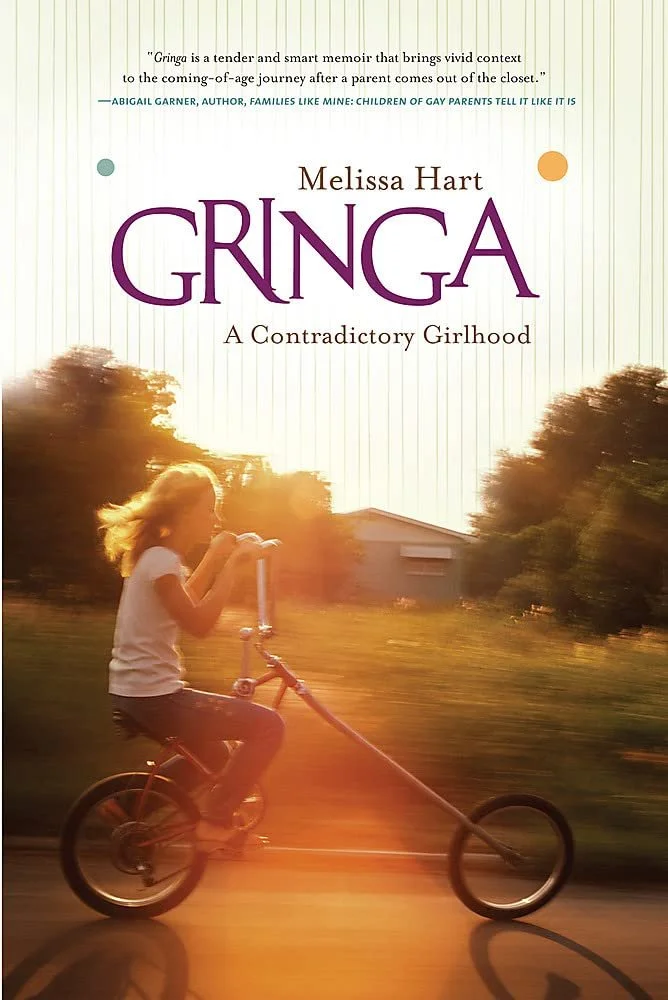
Those who’ve read my first book, Gringa: A Contradictory Girlhood (Seal Press, 2009) know that #1, my mother came out as a lesbian in 1979 and a homophobic judge awarded full custody of me and my siblings—all of us little—to our father despite his penchant for domestic violence. You know that #2, I grew up with my maternal great-grandmother who ran away at 19 to join the circus, then became a comedian on the international vaudeville circuit.
In her eighties and well into her nineties, my great-grandmother—”Grandmary,” everyone called her—turned the kitchen table into her stage. She was the master of one-liners (many of them naughty), never happier than when she made her granddaughter and great-grandchildren laugh. Her humor buoyed all of us every spring and winter when we visited her in Monterey.
Though the judge allowed me and my siblings to see our mother only two weekends a month, she packed our four days together with The Muppet Show and goofy MGM musicals, with cosplay and funny songs and a droll sense of humor that still sustains me today. She taught me how to laugh in the midst of tragedy, for which I’m grateful.
As Contributing Editor for The Writer Magazine, I interviewed hundreds of literary magazine editors over a decade; when I asked them what they’d like to see more of in creative writing submissions, they almost always said the same thing:
“Writers take themselves so seriously. More humor, please.”
That’s not to say we can’t write about weighty topics. But many of these editors extolled the virtues of stories, poems, and essays which could gift readers with equal parts poignancy and wit.
“But what if I’m not funny?” you might be wailing right about now.
I say anyone can be funny. You just have to train yourself.
As an example, here’s a rather serious environmental commentary that I had published in The Chicago Tribune for Earth Day 2026; maybe it’ll be helpful to skim it and then see how I added witty elements in the next draft for my spoken-word “Nature of Gratitude” ensemble presentation last Wednesday for which I wanted to engage with the audience in a more lighthearted way:
Why planting trees with like-minded people can lift your spirits on even the darkest days, from The Chicago Tribune
In early April, lightning streaked across the black clouds looming over my city, and thunder roared. I stood under a 100-year-old redwood with fellow tree planters caught off guard on a natural history walk and beamed with delight.
As someone who grew up on a bare street in an arid area near Los Angeles, I fell in love with the sound of the wind traveling through towering pines during family vacations in the mountains. At age 30, I went to live among the oaks and Douglas firs of Oregon, but seasonal affective disorder walloped me six months out of the year. I realized recently that this is prime time for tree planting, and if I committed wet, freezing mornings to this practice, I’d find my purpose and my people.
Winters in the Pacific Northwest can be long and dark, with a damp cold that settles into the bones and foments despair until Arbor Day. Pair sunsets at 4:30 p.m. with endless stories about the climate crisis, and it’s tempting to surrender to Netflix, the least helpful of coping strategies. But on Martin Luther King Jr. Day last January, my city invited the public to plant trees in parks and open spaces, and I felt my tightly budded heart crack open just a little.
That morning, I dressed in two layers against the chilly fog blowing in from the river and shivered in a grassy circle with volunteers whose ages spanned five generations. City employees told us we’d be planting saplings of maple, alder and oak. I pulled on gloves, grabbed a shovel and attached myself to an 80-year-old tree planter who showed me how to massage stubborn root balls with a pruning saw and who pointed out the trees’ root flares.
“Keep them visible above the soil line when you plant,” she cautioned about the flares, “or the trunk will rot.”
Rot had settled in my soggy brain. Despite a multitude of trees on my third of an acre at home, I knew little about them and nothing about the species we were planting alongside the river. I forgot about the cold in my eagerness to learn about the maples that would grow 100 feet tall along the river path. “An Oregon white oak is home to more than 2,000 species … birds and animals and insects and fungi,” my newly adopted mentor told me. “And a mature alder can pull almost 50 pounds of CO2 (carbon dioxide) from the air and sequester it in the soil.”
In short, trees are badass.
This winter, dendrology replaced my sadness. I read Douglas Tallamy’s “The Nature of Oaks” and learned about that magical five minutes in April that cynipid gall wasps inject an egg and hormones to induce a tree to form a gall that will protect the growing larva. I listened to the tree podcast “Completely Arbortrary” and learned that the redwood under which I had stood during the thunderstorm can grow to 300-plus feet from a 2-millimeter seed. I learned that the tree canopy can cool down a city block by 10 degrees while providing habitat for native insects, birds, squirrels and the raccoons that love to swim midnight laps in my husband’s koi pond.
Tree-planting nonprofits exist all over the U.S. You can plant with Openlands in Chicago, TreePeople in Southern California, Casey Trees in Washington, D.C., Tree Trust in Minnesota and The Greening of Detroit in Michigan. My city is home to an offshoot of the Portland-based Friends of Trees. Throughout the rainiest, muddiest months in winter and spring, staff members and volunteers spend Saturday mornings planting street trees and yard trees in city-owned and private lots. The organization also offers guided walks like the one I took in a thunderstorm; they’re open to anyone who wants their mind blown by stories of the trees we drive past every day.
This season, I’ve had little time to languish on my couch and doomscroll. I’ve joined a band of cheerful arborists and volunteers who — instead of wringing their hands over drought and warming temperatures — pull gloves over their cold, calloused hands and get to work.
What a joy it is now to bicycle past the trees I’ve helped plant and see their gleaming new leaves unfurled against blue sky.
Come November, I will myself unfurl, repeating poet W.S. Merwin’s words as I put on my boots and zip up my waterproof pants: “On the last day of the world, I would want to plant a tree.”
Melissa Hart is a journalist and author whose latest book is “Find Your Nature: 40 Ways to Deepen Your Connection to Your Flora, Fauna and Neighborhood,” which will be published by Timber in 2027.
And here is the essay revised for more crowd-pleasing humor at the spoken-word performance in Corvallis, Oregon last Wednesday:
I Would Want to Plant a Tree, for “The Nature of Gratitude” ensemble performance in Corvallis, Oregon
In early April, lightning cracked across the black clouds looming over my city, and thunder roared. I stood on the sidewalk under a hundred-year-old redwood with fellow tree-planters caught off guard on a natural history walk, and I just about jumped out of my skin with delight.
I grew up on a bare, arid street near Los Angeles and fell in love with the sound of the wind through towering pines on family vacations to the mountains. At 30, I moved to Oregon to live under oaks and Douglas firs which periodically dropped limbs and wild turkeys. But seasonal affective disorder walloped me six months out of the year. I didn’t understand until recently that this was prime time for tree planting, and if I committed entire wet, frigid mornings to digging holes in icy mud, I’d find my purpose and my people.
Winters in the Pacific Northwest can be long and dark, with a damp cold that settles into the bones and foments despair until Arbor Day. Pair 4 PM sunsets with endless stories of the climate crisis, and it’s tempting to surrender to that least helpful of coping strategies, rewatching All Creatures Great and Small for that scene of James Herriot’s bare butt. But on Martin Luther King Jr. Day last January, my city’s Parks and Open Spaces invited the public to plant trees, and I felt my tightly-budded heart crack open just a little.
That morning, I dressed in two layers against the chilly fog blowing up from the river and shivered in a grassy circle with volunteers spanning five generations. City employees told us we’d be planting saplings of maple, alder, and oak. I pulled on gloves, grabbed a shovel, and attached myself to an 80-year-old tree planter who showed me how to massage stubborn root balls. “You’ve gotta get in there and fondle them,” she told me. “Don’t be a prude.”
She also taught me about root flares. “Keep them visible above the soil line when you plant,” she cautioned, “or the trunk will rot.”
Rot had settled in my soggy brain. Despite a multitude of trees on my third of an acre at home, I knew little about them, and nothing about the species we planted alongside the river that day. I forgot about the cold in my eagerness to learn about the maples that would grow 100 feet tall along the river path. “An Oregon white oak is home to more than two thousand species,” my newly-adopted mentor told me. “And a mature alder can pull almost fifty pounds of CO2 from the air and sequester it in the soil. I’d like to see a politician do that.”
In short, she told me, trees are bad-ass.
This winter, dendrology replaced my self-focused sadness. I read Douglas Tallamy’s The Nature of Oaks and learned about that magical five minutes in April that cynipid gall wasps inject an egg and a hormone, forming a gall to protect the growing larva. I listened to the tree podcast Completely Arbortrary and learned that the redwood under which I stood during the thunderstorm can grow to 300-plus feet from a two-millimeter seed. I learned that leaf canopy can cool down a city block by 10 degrees while providing habitat for native insects, birds, squirrels, and the raccoons who love to swim midnight laps in my husband’s koi pond.
My city has an offshoot of Portland-based Friends of Trees. Throughout the rainiest, muddiest months in winter and spring, staff and volunteers spend Saturday mornings planting street trees and yard trees in city-owned and private lots. The organization also offers guided walks such as the one I took in a thunderstorm; these treks are open to anyone who wants their mind blown by stories of the trees we drive past every day—wonders I ignore while I’m focused on which grocery store has the best deal on cat kibble.
This season, I’ve had little time to languish on my couch and doomscroll. I’ve joined a band of cheerful arborists and volunteers who—instead of wringing their hands over drought and warming temperatures—then pull gloves over their cold, chapped, calloused finger and get to work.
What a joy it is now to bicycle past the trees I’ve helped to plant and see their gleaming new leaves unfurled against blue sky. Come November, I’ll resist the temptation of my couch and James Herriot’s bare…well, you know. I will myself unfurl, repeating poet W.S. Merwin’s words as I tie on my boots and zip up my waterproof pants:
On the last day of the world,
I would want to plant a tree.
To incorporate the more humorous sentences in bold type above, I sat with the original piece and—paragraph by paragraph—reflected on the absurdities and ironies of my story. There’s some situational humor (bad weather), some blue humor (fondling tree roots), and some self-deprecation (ignoring 100-foot redwoods while contemplating sales on cat kibble).
You can do this too. Sit with a piece of your creative writing and ask yourself:
1. What’s funny about the situations I’m describing?
2. What’s absurd, and what’s ironic in each scene?
3. How can I add humor to my characterization and dialogue?
4. How can I add humor to my setting and sensory details?
Times are rough. I think adding wit to your writing is one of the greatest gifts you can offer your readers.
What I’m Publishing
Opinion: Planting trees can lift your spirits in The Chicago Tribune
My latest book is Down Syndrome Out Loud: 20+ Stories of Disability & Determination, and I’d be so grateful if you’d order a copy for your school or public library or classroom, pediatrician or child psychologist or YMCA!
Where I’ll Be Soon
May 2, 2026--“How to Write Personal Essays for Magazines and Newspapers” at Terroir Creative Writing Festival in Dayton, Oregon.
July 31, 2026—“Writing and Publishing Life,” “First Page Critique,” “Genre Connections” at Willamette Writers Conference in Portland, Oregon.
August 1, 2026—“The Art of the Query Letter” at Willamette Writers Conference in Portland, Oregon.
September 26, 2026—“Keynote: Why Your Stories Matter” at Florence Festival of Books, Florence, Oregon.
A Few Cool Resources for Writers
I adore Chapter 14—“Writing the Humorous Essay” of this book: Crafting the Personal Essay: A Guide to Writing and Publishing Creative Nonfiction | Dinty W. Moore
How To Add Humor To Your Novel: Learn To Write Funny Scenes – Lisa Wells Author
Catherine Price: 3 elements of true fun — and how to have more of it | TED Talk
Calls for Submissions—Humorous Publications!
CHICKEN SOUP: HUMOROUS STORIES “We are looking for true stories about something that happened to you in your life — in your relationship with a partner or spouse, a parent or child, a family member or friend, a pet, at work or at home — that made you and the people around you laugh out loud.” Up to 1,200 words.
Here, read this: “AP English Students Aren’t Thirsting After Holden Caulfield Like They Used To - McSweeney’s Internet Tendency” and then submit your work to McSweeney’s Internet Tendency!
(6) Chortle Humor Writing Submission Guidelines - by Greg Nix
Stained Page News. “If you want to geek out about cookbooks, you have come to the right place. Prefer 800 words. Email stainedpagenews@gmail.com with “SPN PITCH: <subject>” as the subject line.
Wired Magazine. “Send your ideas for ambitious, thought-provoking, forward-thinking, incisive, funny, inspiring stories about the science and technology (and people!) shaping our world” to Caitlin at caitlin_kelly@wired.com.
The Guardian’s U.S. head of narrative is always looking for pitches of “long form narratives [an arc! a story! characters! intrigue!]; essays [searing, searching, funny]; stories about gray areas and hard choices; people that give us hope; a sense of place.”Send pitches to Jessica.reed@theguardian.com
Wergle Flomp Humor Poetry Contest (no fee) - Winning Writers
That’s all for now. Thank you for reading!
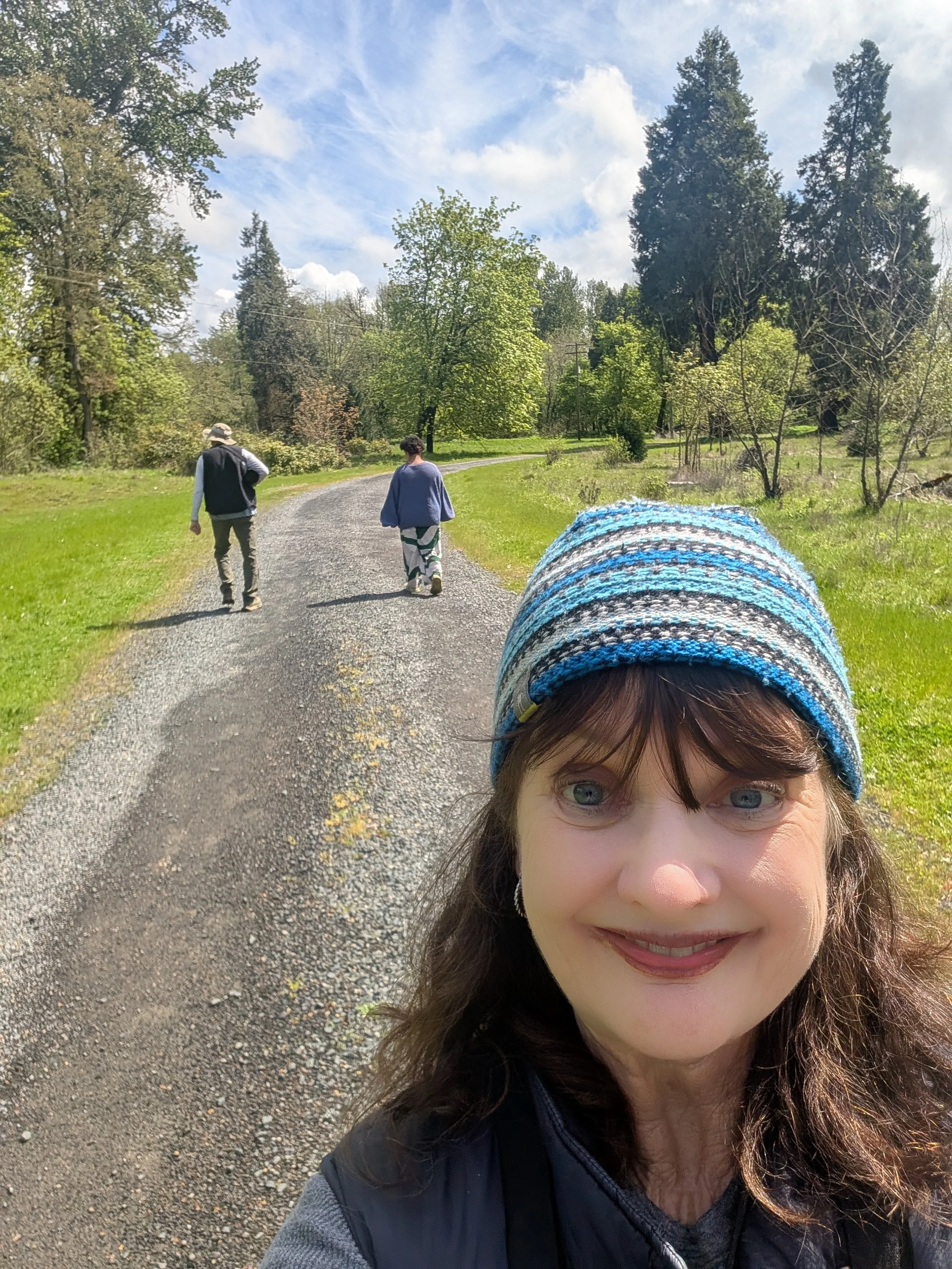
P.S. Here’s me in my happy place—despite the pollen, right smack in the middle of the trees.